Blog
- Home
- Blog
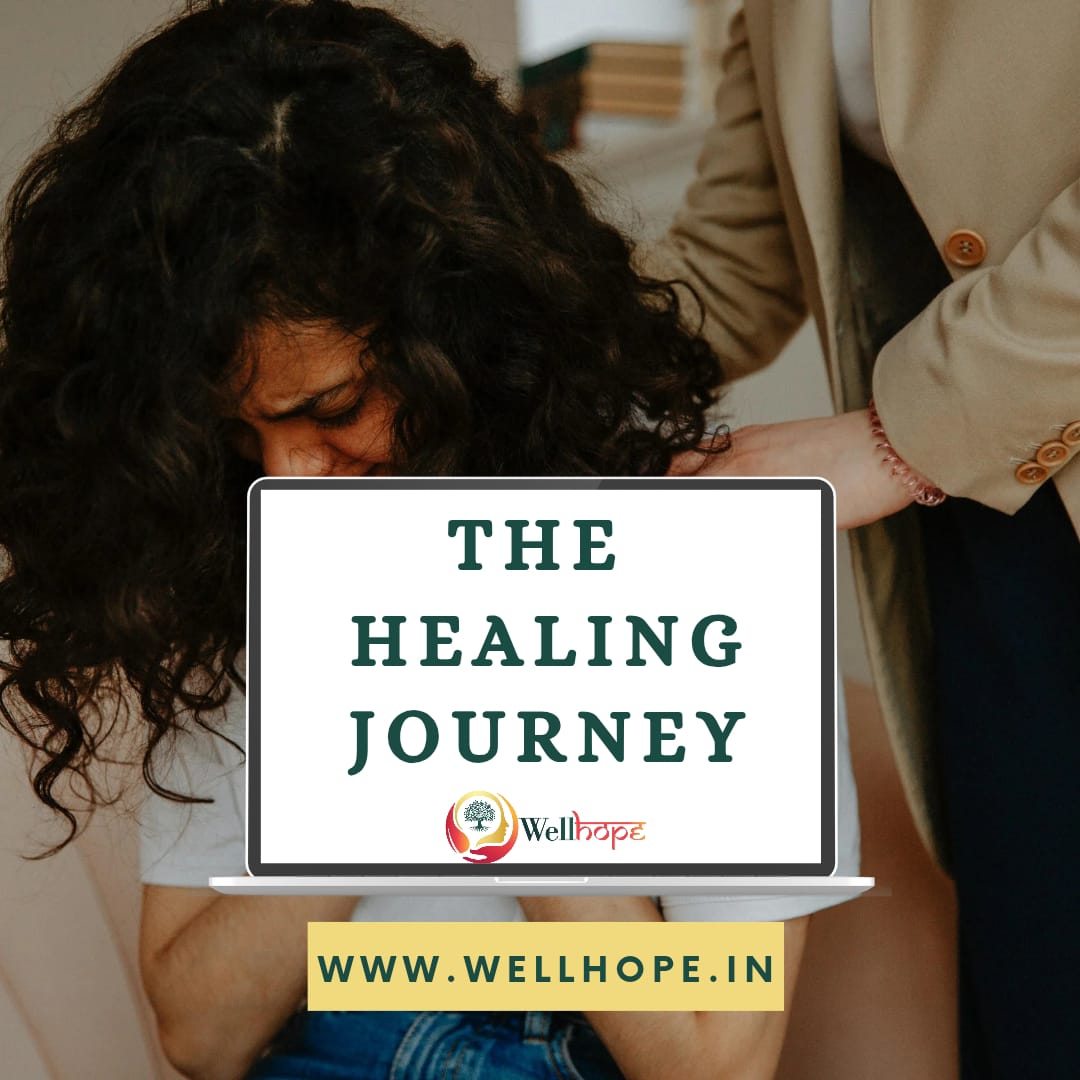
The Healing Journey: How We Grow, Transform & Become Whole
The term healing journey often sounds poetic—a path of self-discovery, growth, and light. But in truth, it’s far from a straight road. Healing isn’t a one-time decision; it’s a lifelong process filled with highs, lows, and everything in between. Whether it’s emotional wounds, trauma, heartbreak, burnout, or loss, the healing journey teaches us not just how to survive, but how to truly live again—with awareness, compassion, and strength.
Understanding What the healing journey Really Means
To heal doesn’t simply mean to “feel better.” Healing is about becoming whole again—mentally, emotionally, and spiritually. It is the slow, deliberate act of acknowledging pain, understanding where it comes from, and allowing ourselves to experience it without judgment. The healing journey isn’t about erasing the past; it’s about integrating it in a way that no longer controls our present.
For many, the first step begins when they stop running from their pain. Avoidance—through distractions, denial, or overwork—can only suppress emotions for so long. The moment we decide to turn inward and sit with our discomfort, we begin the healing process. It’s uncomfortable, but that discomfort is a sign of transformation.
Letting Go of the Myth of “Quick Fixes”
In a world that thrives on instant results—fast food, same-day delivery, quick therapy reels—the idea of slow healing feels outdated. But genuine healing cannot be rushed. The wounds we carry were not created overnight; they developed through experiences, patterns, and repeated hurts over time. Expecting them to disappear instantly only deepens frustration.
The healing journey invites patience. It reminds us that some days we’ll feel light and free, while other days the old pain might return, uninvited. And that’s okay. Progress is not linear—it’s a dance between growth and relapse, awareness and forgetfulness. Each phase carries lessons about resilience and self-compassion.
A major part of the healing journey is emotional honesty. Most of us were never taught how to sit with emotions like sadness, anger, guilt, or shame. We were told to “be strong,” “move on,” or “think positive.” But unexpressed emotions don’t disappear; they turn inward, often manifesting as anxiety, depression, or physical ailments.
Healing begins when we give ourselves permission to feel everything. Crying, journaling, talking, creating art, or even simply sitting in silence are ways of releasing emotional energy.
The goal is not to control emotions, but to understand their message. Every feeling carries wisdom—anger often points to boundaries being crossed, sadness may signal loss or unmet needs, and fear can highlight areas where we lack safety. Through this emotional awareness, we reconnect with our authentic self—the part that has always been worthy of love, even when broken.
The Role of Connection in Healing
No one heals in isolation. While solitude can be restorative, long-term loneliness hinders healing. The healing journey flourishes when shared with others who understand, validate, and hold space without judgment.
This could be a friend, therapist, support group, or even a creative community. Therapy, in particular, can serve as a guiding light. A trained therapist provides tools to reframe thoughts, process trauma, and build emotional regulation.
But beyond professional help, human connection itself is healing. Genuine empathy reminds us that we’re not alone—that pain is a universal experience, and recovery is possible. Even small acts of connection—a kind word, a shared story, or being truly listened to—can mend invisible cracks within us.
Healing Through Self-Compassion and Routine
Self-compassion is the foundation of any true healing journey. Many people carry guilt or self-blame from past experiences. They treat themselves harshly, thinking it will help them “do better.” But healing cannot thrive in the soil of self-criticism. It needs gentleness.
Being kind to yourself doesn’t mean avoiding responsibility—it means understanding your limitations, forgiving your past self, and choosing progress over perfection.
Daily rituals like mindful breathing, grounding exercises, journaling, or even maintaining a regular sleep routine can help regulate your body and emotions. Healing isn’t always about big breakthroughs; often, it’s about small, consistent acts of care.
At some point, the healing journey shifts from simply “getting better” to “becoming more.” As we release old pain, we begin to rediscover who we are beneath it all. The activities, people, and dreams that once felt distant start to call again.
This stage of healing is about reclaiming joy, creativity, and purpose. Many people find new meaning in helping others, expressing their story through art, or nurturing passions they once abandoned. Pain, when transformed, becomes a source of empathy and wisdom.
The healing journey teaches us that we are not defined by what happened to us, but by how we choose to rise from it.
Healing Is Not a Destination
Healing is not a destination. There is no final point where you suddenly “arrive” and feel no pain ever again. Instead, it’s a lifelong commitment to emotional awareness, inner peace, and self-alignment.
New experiences may reopen old wounds, but with every round of healing, you become stronger, wiser, and more self-aware. Rather than seeing healing as a one-time event, it helps to view it as an evolving relationship with yourself. You’ll fall, pause, and grow again—but every stage is progress.
Conclusion
The healing journey is not easy, but it is profoundly rewarding. It demands vulnerability, patience, and courage—the courage to look at your scars and still choose to love yourself.
Healing doesn’t mean forgetting what broke you; it means learning to live fully despite it. Each person’s journey is unique, yet we all share the same human desire—to be whole, to be seen, and to be at peace.
So, wherever you are in your healing journey, remind yourself: you are not behind, you are not weak, and you are not alone. You are simply becoming who you were always meant to be—one mindful step at a time.
We Promote Cultural Diversity
Book your session in the following languages. Our multilingual approach breaks down communication barriers, making therapy more inclusive and deeply effective for everyone.

Leave a Comment
We would love to hear your thoughts and experiences.