
Common anxiety symptoms include excessive worrying, restlessness, rapid heartbeat, sweating, muscle tension, difficulty concentrating, trouble sleeping, irritability, and feeling like something bad is about to happen. Symptoms can vary from person to person.
✨ Well Hope
Anxiety Treatment
Evidence-Based Therapy to Help You Regain Calm and Confidence
Professional Care
Understanding Anxiety: Symptoms, Disorders & Treatment
Have you ever felt your heart racing before an important meeting? Maybe your palms started sweating, your thoughts wouldn't slow down, or you suddenly felt like something terrible was about to happen. Moments like these are normal from time to time. But when these feelings become frequent, overwhelming, or start affecting your daily life, they may point toward something more than everyday stress. Millions of people experience anxiety every year, yet many struggle to recognize anxiety symptoms or understand when they have an anxiety disorder. The good news is that anxiety is treatable, and with the right anxiety treatment, people can lead fulfilling and balanced lives. In this guide, we'll explain what anxiety is, common anxiety symptoms, the different types of anxiety disorder, the signs of anxiety attack, how CBT for anxiety works, and how Well Hope can support your mental wellness journey.
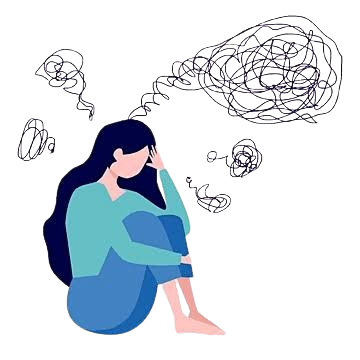
What Is Anxiety?
Anxiety becomes a concern when it is persistent, excessive, and difficult to control. Mental health professionals diagnose different anxiety disorders based on symptoms, duration, and how much anxiety interferes with daily life. Early recognition and timely anxiety treatment can prevent symptoms from becoming more severe and improve long-term emotional well-being.
Anxiety is your body's natural response to stress or perceived danger. It prepares you to react quickly when faced with challenges. While occasional anxiety is completely normal, constant worry that interferes with work, relationships, studies, or daily activities may indicate an anxiety disorder. Recognizing anxiety symptoms early can make a significant difference. Early support and the right anxiety treatment often lead to better outcomes and improved quality of life.
Common Anxiety Symptoms
Some of the most common anxiety symptoms include:
Constant worrying or overthinking
Feeling restless or unable to relax
Increased heart rate
Shortness of breath
Muscle tension
Difficulty concentrating
Trouble sleeping
Irritability
Feeling overwhelmed by everyday situations
Digestive discomfort
Sweating or trembling
⚠️Many people mistake anxiety symptoms for physical illnesses because they often involve headaches, chest tightness, dizziness, or stomach problems. This is why consulting a qualified mental health professional is important.
Understanding Anxiety Disorder
An anxiety disorder is more than feeling nervous before an exam or presentation. It involves persistent fear or worry that is difficult to control and continues even when there is little or no real danger. Some common types of anxiety disorder include:
Generalized Anxiety Disorder (GAD)
People with this anxiety disorder worry excessively about work, family, finances, or health, even when everything seems fine. Panic Disorder This anxiety disorder involves repeated panic attacks that occur unexpectedly.
Social Anxiety Disorder
Individuals with this anxiety disorder fear social interactions or situations where they may feel judged.
Specific Phobias
An intense fear of certain situations, objects, heights, flying, or animals.
Separation Anxiety Disorder
Although often associated with children, adults can also experience this anxiety disorder. Understanding the type of anxiety disorder you have helps professionals choose the most effective anxiety treatment.
Anxiety Attack vs Panic Attack
Anxiety Attack
Many people use the terms anxiety attack and panic attack interchangeably, but they are not exactly the same. Anxiety attacks usually build gradually in response to stress or ongoing worries,
Panic Attack
whereas panic attacks often occur suddenly with intense physical symptoms such as chest pain, rapid heartbeat, dizziness, and difficulty breathing.
Understanding the difference helps people seek the right anxiety treatment and professional support.
Signs of Anxiety Attack
You Should Never Ignore an anxiety attack can feel extremely frightening. Many people believe they are having a heart attack because the physical sensations are so intense.
Common signs of anxiety attack include:
Common signs of anxiety attack include:
Chest tightness
Difficulty breathing
Sweating
Shaking
Dizziness
Tingling sensations
Feeling detached from reality
Fear of losing control
Fear of dying
These signs of anxiety attack usually peak within several minutes before gradually reducing. Learning the signs of anxiety attack helps people respond calmly instead of becoming more frightened. If you frequently experience these signs of anxiety attack, seeking professional help is highly recommended.
What Causes Anxiety?
There is no single cause of anxiety. Usually, several factors work together.These may include:
- Genetics
- Brain chemistry
- Stressful life events
- Childhood experiences
- Trauma
- Chronic health conditions
- Lack of sleep
- Excessive caffeine
- Certain medications Regardless of the cause, the right anxiety treatment can help reduce symptoms and improve emotional well-being.
Anxiety Treatment: What Actually Works?
The good news is that effective anxiety treatment is available, and many people recover with proper support. The best anxiety treatment often combines therapy, healthy lifestyle habits, stress management, and, in some cases, medication prescribed by a psychiatrist.
Some common approaches include:
Psychological Therapy
Talking with a therapist helps identify unhealthy thought patterns and teaches healthier coping skills.
Medication
Some individuals benefit from medication as part of their anxiety treatment, especially when symptoms are severe.
Lifestyle Changes
Regular exercise, balanced nutrition, quality sleep, mindfulness, and reducing caffeine can strengthen overall anxiety treatment.
Support Groups
Connecting with others facing similar challenges reduces feelings of isolation.
CBT for Anxiety: Why It Is One of the Most Effective Therapies
Among all therapies available today, CBT for anxiety is considered one of the most researched and effective approaches. CBT for anxiety stands for Cognitive Behavioral Therapy.
It focuses on identifying negative thought patterns and replacing them with healthier, more realistic ones. Instead of simply talking about problems, CBT for anxiety teaches practical strategies that people can use every day.
During CBT for anxiety, you may learn to:
• Identify anxious thoughts
• Challenge irrational beliefs
• Reduce avoidance behaviors
• Practice relaxation techniques
• Build confidence through gradual exposure
• Develop healthier coping skills
Research consistently shows that CBT for anxiety helps many people reduce symptoms and improve long-term emotional resilience. Many therapists recommend CBT for anxiety because it provides skills that continue to help even after therapy ends.
Everyday Tips to Reduce Anxiety
Professional help is important, but daily habits also play a major role. Try these simple strategies:
• Practice deep breathing
• Get enough sleep
• Stay physically active
• Limit caffeine intake
• Eat nutritious meals
• Journal your thoughts
• Practice mindfulness
• Stay connected with trusted people
• Take regular breaks from social media
• Seek help early instead of waiting
Everyday Habits That Support Better Sleep
Alongside professional care, healthy habits can strengthen the effectiveness of insomnia treatment. Try these practical tips:
Go to bed and wake up at the same time every day
Limit screen time before bed
Avoid caffeine late in the evening
Keep your bedroom cool, quiet, and comfortable
Exercise regularly
Practice relaxation or mindfulness before sleeping
Avoid checking the clock repeatedly at night
Use your bed only for sleep and relaxation
How Well Hope Can Support Your Mental Health Journey
Finding the right therapist shouldn't feel confusing or overwhelming. Well Hope is committed to making mental healthcare more accessible, supportive, and personalized. Finding the right therapist shouldn't feel confusing or overwhelming. Well Hope is committed to making mental healthcare more accessible, supportive, and personalized.
Whether you're experiencing anxiety symptoms, living with an anxiety disorder, or looking for evidence-based anxiety treatment, Well Hope connects you with qualified mental health professionals who understand your unique needs.
Find licensed therapists
Book therapy sessions online
Access personalized mental health support
Learn about therapies including CBT for anxiety
Receive guidance in a safe, confidential environment
At Well Hope, the goal is not just symptom management but helping people build lasting emotional well-being. If you've noticed the signs of anxiety attack or persistent worry, Well Hope offers a trusted place to begin your healing journey. Living with anxiety can feel exhausting, but it doesn't have to define your life. Understanding anxiety symptoms, recognizing an anxiety disorder, learning the signs of anxiety attack, and exploring options like CBT for anxiety are important first steps toward recovery. Remember that effective anxiety treatment is available, and asking for help is a sign of strength, not weakness. With the right support, healthy coping strategies, and professional guidance from Well Hope, it is possible to manage anxiety and regain confidence in everyday life. You don't have to face anxiety alone. Help is available, recovery is possible, and every small step toward support matters.
Benefits of Seeking Anxiety Treatment Early
Recognizing anxiety symptoms and seeking professional help early can make recovery easier and improve your overall quality of life. Effective anxiety treatment not only reduces emotional distress but also helps you build long-term coping skills.
Better Emotional Well-Being
Proper anxiety treatment helps reduce excessive worry, fear, and emotional overwhelm, allowing you to feel calmer and more in control.
Improved Physical Health
Many anxiety symptoms such as headaches, muscle tension, digestive issues, and sleep disturbances often improve when anxiety is effectively managed
Stronger Relationships Managing
an anxiety disorder can improve communication, reduce misunderstandings, and strengthen personal and professional relationships
Increased Productivity
with fewer anxious thoughts and better concentration, people often perform better at work, school, and in everyday responsibilities.
Fewer Anxiety Attacks
Learning to recognize the signs of anxiety attack and using healthy coping techniques can reduce both the frequency and intensity of future episodes.
Healthier Thinking Patterns
Evidence-based therapies like CBT for anxiety help replace negative thought patterns with balanced, realistic thinking, improving emotional resilience.
Better Sleep and Daily Routine
as anxiety decreases, many people experience improved sleep quality, higher energy levels, and healthier daily habits.
Greater Confidence
successfully managing an anxiety disorder helps people regain confidence, face challenging situations, and enjoy life with less fear.
Take the first step. Let's rewrite your story together with care, clarity, and compassion.
Frequently Asked Questions
Find answers to the most common queries about our Anxiety.
What are the most common anxiety symptoms?
What is the difference between normal anxiety and an anxiety disorder?
Feeling anxious before an important event is normal. An anxiety disorder is different because the fear or worry is persistent, difficult to control, and begins to interfere with daily life, work, relationships, or studies.
What are the signs of an anxiety attack?
Common signs of anxiety attack include a racing heart, chest tightness, difficulty breathing, dizziness, shaking, sweating, tingling sensations, fear of losing control, and an intense feeling that something terrible is about to happen. These symptoms usually peak within a few minutes.
What causes anxiety?
There is no single cause of anxiety. It may develop due to genetics, brain chemistry, stressful life events, trauma, chronic health conditions, lack of sleep, excessive caffeine, or a combination of these factors.
What is the best anxiety treatment?
The best anxiety treatment depends on the individual. Treatment may include psychotherapy, lifestyle changes, stress management techniques, medication when needed, and evidence-based approaches such as CBT for anxiety.
How does CBT for anxiety help?
CBT for anxiety (Cognitive Behavioral Therapy) helps people identify and change negative thought patterns that contribute to anxiety. It also teaches practical coping strategies, relaxation techniques, and healthier ways to respond to stressful situations.
Can anxiety go away without treatment?
Mild anxiety may improve with self-care and stress management. However, persistent anxiety symptoms or an anxiety disorder often require professional support. Early anxiety treatment can prevent symptoms from becoming more severe.
When should I seek professional help for anxiety?
You should seek help if your anxiety symptoms last for several weeks, interfere with work or relationships, you experience frequent signs of anxiety attack, or anxiety stops you from enjoying daily life.
Can lifestyle changes help reduce anxiety?
Yes. Regular exercise, quality sleep, healthy eating, mindfulness, limiting caffeine, deep breathing, and maintaining social connections can complement professional anxiety treatment and improve overall mental well-being.
How can Well Hope help with anxiety?
Well Hope connects individuals with qualified mental health professionals who provide personalized care for anxiety disorder, evidence-based therapies including CBT for anxiety, online therapy sessions, and ongoing support to help people manage anxiety symptoms and improve emotional well-being.

Leave a Comment
We would love to hear your thoughts and experiences.