
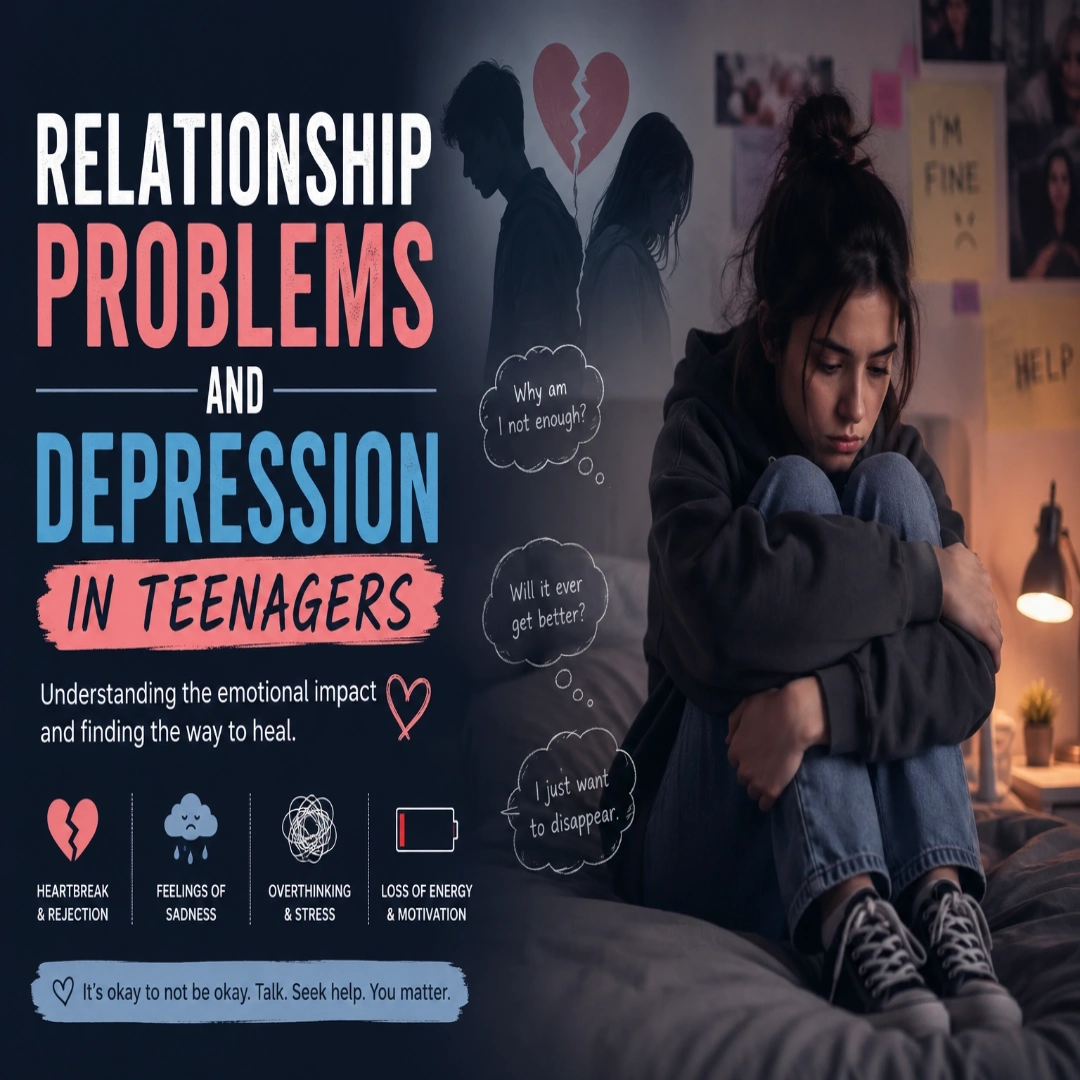
Relationship Problems and Depression in Teenagers: Why Emotional Struggles Deserve Attention
Understanding the Connection Between Relationships and Depression
Teenage life is often portrayed as exciting and carefree, but for many young people it can be emotionally challenging. School expectations, social pressures, family responsibilities, and changing relationships can create significant stress. When relationship difficulties occur, they can sometimes contribute to depression and other mental health concerns.
Relationships play a major role in a teenager's life. Friendships, romantic interests, and social acceptance help shape self-confidence and identity. Because these experiences are so important, relationship problems can have a powerful emotional impact.
Why Teen Relationships Feel So Important
For teenagers, relationships are often tied to feelings of belonging and
self-worth. A disagreement with a close friend,
a painful breakup, or
being rejected by peers can feel very overwhelming, especially since
these are often the first times they happen.
Unlike adults who may have experienced similar situations before, teenagers are
still learning how to cope with emotional disappointment. As a result,
relationship stress can feel intense and difficult to manage.
How Relationship Problems Can Contribute to Depression
Not every relationship difficulty leads to depression. However, ongoing emotional stress can increase the risk of developing depressive symptoms.
Some common triggers include:
- Romantic breakups
- Friendship conflicts
- Peer rejection
- Social isolation
- Family relationship difficulties
- Bullying or cyberbullying
When these experiences are combined with academic pressure or low self-esteem, emotional distress may become more difficult to overcome.
Signs of Depression Related to Relationship Stress
It is normal to feel sad after a conflict or breakup. However, depression involves symptoms that persist and interfere with daily life.
Possible warning signs include:
Emotional Symptoms
- Persistent sadness
- Feelings of hopelessness
- Increased irritability
- Excessive guilt or self-blame
- Low self-esteem
Behavioral Symptoms
- Avoiding friends and family
- Loss of interest in favorite activities
- Difficulty concentrating
- Falling grades
- Reduced motivation
Physical Symptoms
- Changes in sleep patterns
- Changes in appetite
- Low energy levels
- Frequent fatigue
When these symptoms continue for more than two weeks, professional support may be beneficial.
The Impact of Social Media on Relationships and Depression
Social media has changed the way teenagers experience relationships. While online platforms can strengthen connections, they can also increase emotional pressure.
Teenagers may experience stress from:
- Comparing themselves to others
- Seeing posts from former partners
- Feeling excluded from social events
- Seeking validation through likes and comments
- Experiencing online criticism
Because social media is available around the clock, emotional triggers can be difficult to avoid.
The Cycle Between Relationship Difficulties and Depression
Relationship problems and depression often influence each other.
When teenagers feel depressed, they may withdraw from friends and loved ones. Reduced communication can create misunderstandings and increase loneliness.
At the same time, unhealthy relationships or unresolved conflicts can intensify depressive symptoms. This creates a cycle in which emotional distress and relationship difficulties continue to reinforce one another.
Healthy Ways to Cope With Relationship Stress
- Focus on Supportive Connections
Talking with trusted individuals can reduce feelings of isolation. Support may come from family members, teachers, counselors, mentors, or close friends.
- Maintain Healthy Daily Habits
Regular sleep, nutritious meals, and physical activity support both emotional and physical well-being.
- Take Breaks From Social Media
Limiting exposure to emotionally triggering content can provide valuable space for healing and self-reflection.
- Challenge Negative Thoughts
Depression often encourages self-critical thinking. Learning to question negative assumptions can help develop a more balanced perspective.
- Engage in Meaningful Activities
Creative hobbies, sports, volunteering, reading, or spending time outdoors can improve mood and provide a sense of accomplishment.
How Parents Can Support Teenagers Facing Relationship Problems and Depression
Parents and caregivers can make a significant difference by creating a safe and supportive environment.
Helpful strategies include:
- Listening without judgment
- Acknowledging emotions
- Encouraging open communication
- Offering practical support
- Monitoring changes in behavior
Rather than dismissing concerns, it is important to validate the teenager's experience and encourage healthy coping strategies.
Professional Help for Teen Depression and Relationship Issues
Mental health professionals use evidence-based approaches to support teenagers experiencing depression.
1. Cognitive Behavioral Therapy (CBT)
CBT helps teenagers identify unhelpful thought patterns and replace them with healthier perspectives.
2. Interpersonal Therapy (IPT)
This therapy focuses on improving communication skills and addressing relationship conflicts that may contribute to emotional distress.
3. Family Therapy
Family involvement can strengthen communication, improve understanding, and create a more supportive home environment.
4. Medical Evaluation
Healthcare professionals may assess whether additional treatment is needed and discuss appropriate options based on the individual's needs.
When to Seek Immediate Support
Professional help should be sought immediately if a teenager:
- Expresses thoughts about self-harm
- Talks about wanting to die
- Shows severe emotional withdrawal
- Experiences significant changes in daily functioning
Early help can improve outcomes and prevent symptoms from getting worse.
Final Thoughts on Relationship Problems and Depression
Relationship challenges are a natural part of growing up, but persistent emotional pain should never be ignored. Depression and relationship stress can affect academic performance, self-esteem, friendships, and overall well-being.
The good news is that help is available. With understanding, healthy coping strategies, strong relationships, and professional guidance when necessary, teenagers can overcome emotional difficulties and build resilience for the future.
Recognizing the connection between relationship problems and depression is the first step toward healing, growth, and better mental health.
